

Student motivation comes from many places: relationships, interesting work, a sense of progress and, often overlooked, the environment where learning happens. Teachers have a lot of influence over motivation, and the classroom itself can either support or undermine their efforts. Here are eight factors worth paying attention to.
1. A sense of belonging
Students work harder when they feel they belong. Greeting students by name, displaying their work and giving them a role in how the room is organized all build connection. Spaces arranged for interaction, like clusters and circles, make it easier for students to know their classmates.
2. Choice and autonomy
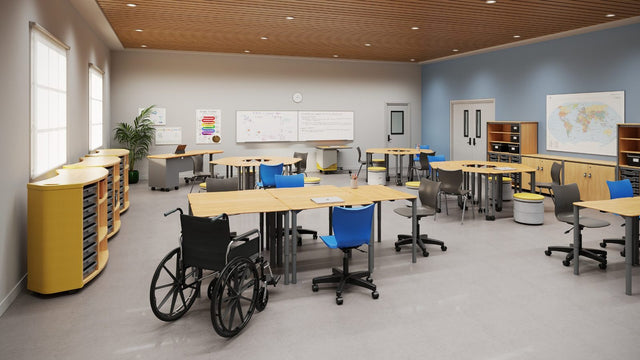
Giving students meaningful choices, such as which project to pursue, how to show what they learned, or where to sit for independent work, increases ownership. Flexible seating is one practical way to offer choice every day.
3. Clear goals and visible progress
Motivation grows when students know what they are working toward and can see themselves improving. Learning targets, progress charts and regular feedback help. Display boards and writable surfaces give students a place to track and share progress.
4. Relevant, hands-on work
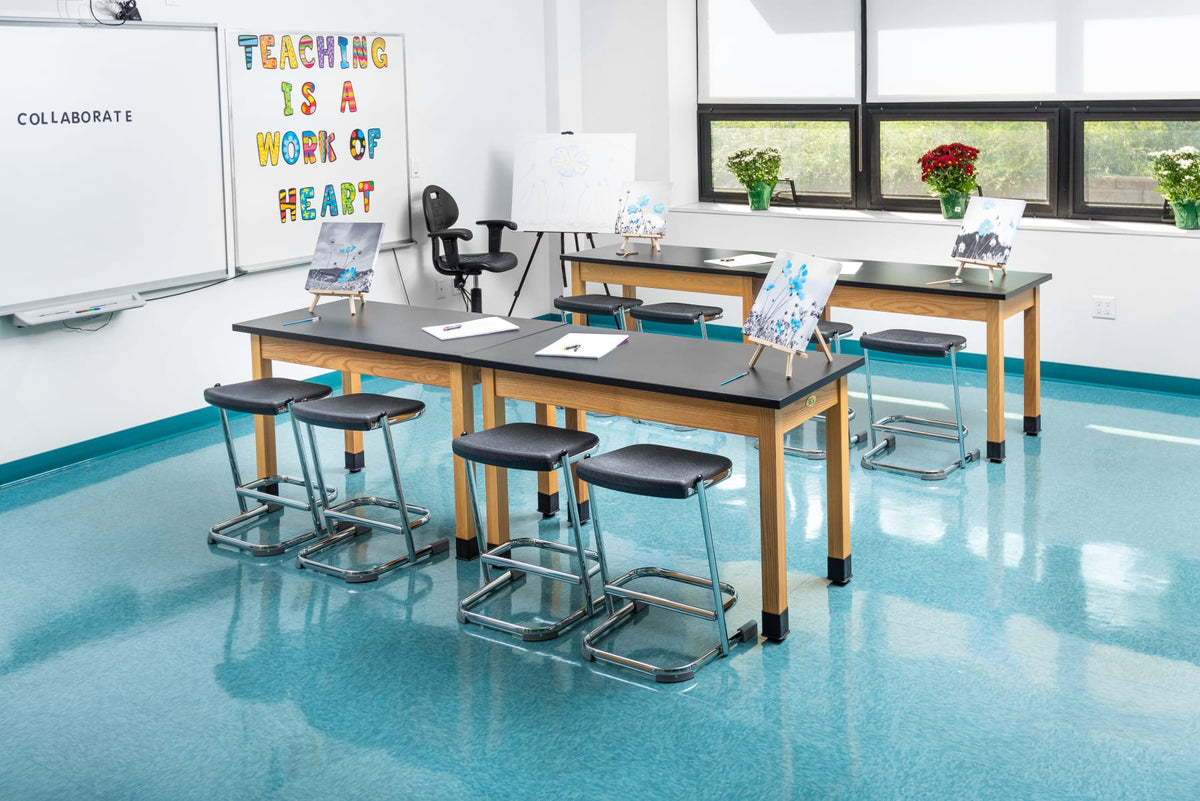
Students engage more when learning connects to real life. Project-based learning, labs and makerspace activities need tables to build on and storage for materials. Explore our guide to STEM and makerspace furniture.
5. Collaboration
Working with peers can be highly motivating, especially for older students. Furniture that moves easily into groups makes collaboration a regular part of class rather than a special event.
6. Physical comfort
It is hard to stay engaged in a chair that doesn't fit or a room that is too hot, cold or noisy. Ergonomic, correctly sized furniture removes a common source of distraction.
7. Movement
Short movement breaks and the option to stand or use active seating help students reset their attention. Read about active seating.
8. Light, color and calm
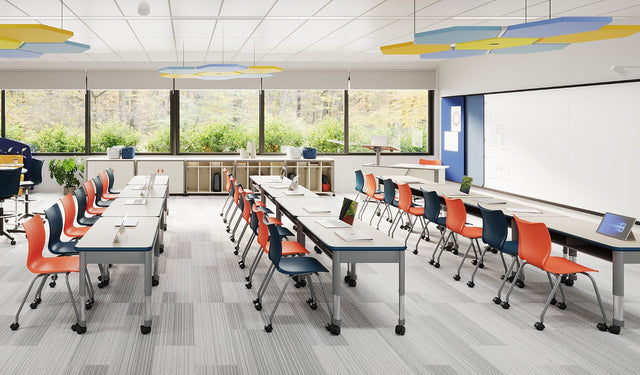
Natural light, balanced colors and good acoustics create a room that feels pleasant to be in. A cluttered, dim or noisy room has the opposite effect. Learn more about color, light and acoustics.
Putting it together
None of these factors works alone. The most motivating classrooms combine strong relationships, engaging work and a space that supports both. Small changes, like adding a reading corner, offering two or three seating options, or rearranging desks into groups, can make a visible difference.
Want to create a room that motivates? Proacademy Furniture offers a free CAD layout and furniture from leading school brands. Talk to a specialist or see real classrooms in our IdeaWise gallery.